Serengeti National Park
Endless plains, big cats and the Great Migration.
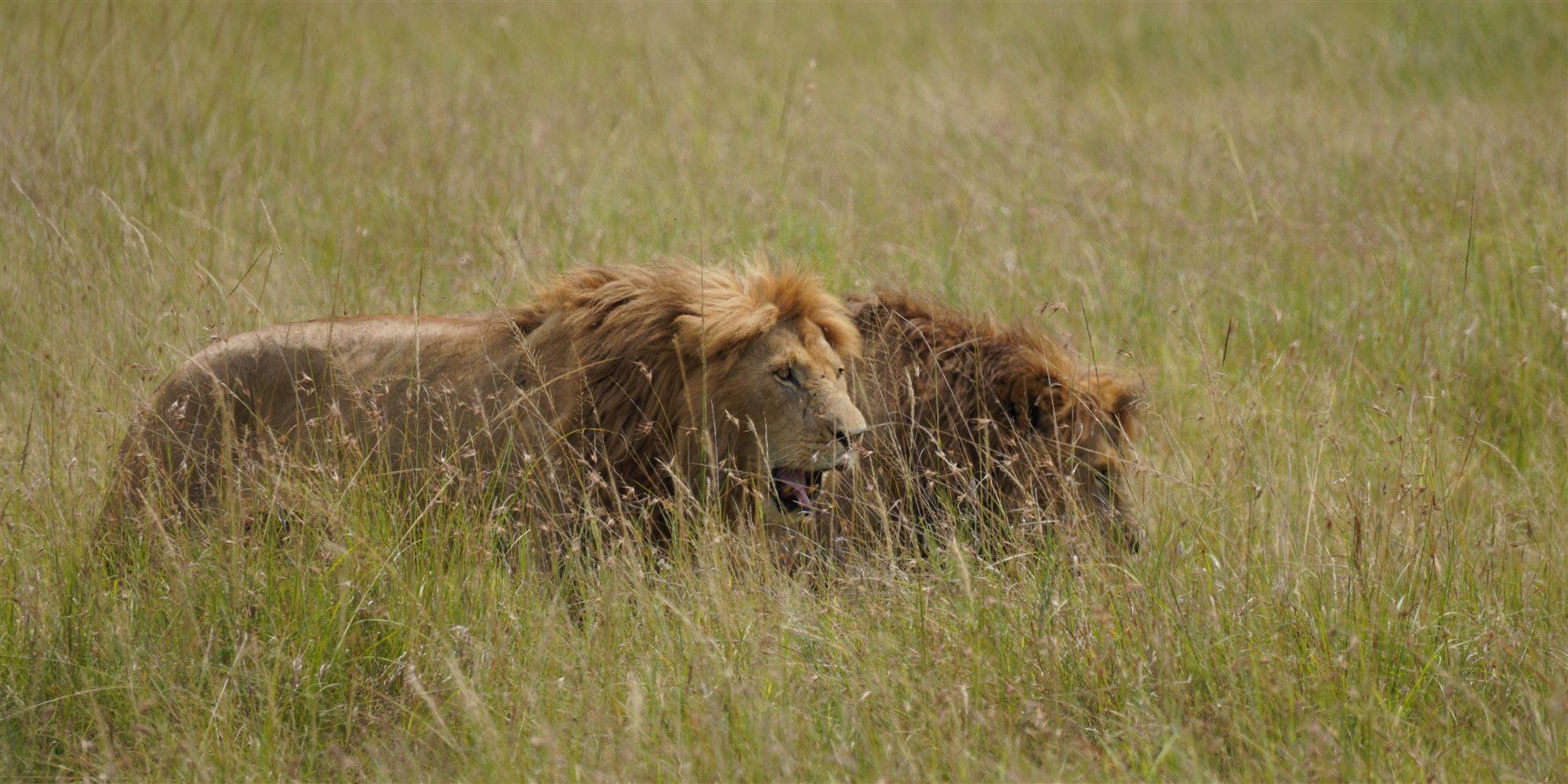
The Serengeti is Tanzania's best-known wilderness: a 14,763 km² sweep of savanna in the north of the country, protected since 1940. Its plains are part of the wider Serengeti–Mara ecosystem and host one of the largest wildlife spectacles on earth.
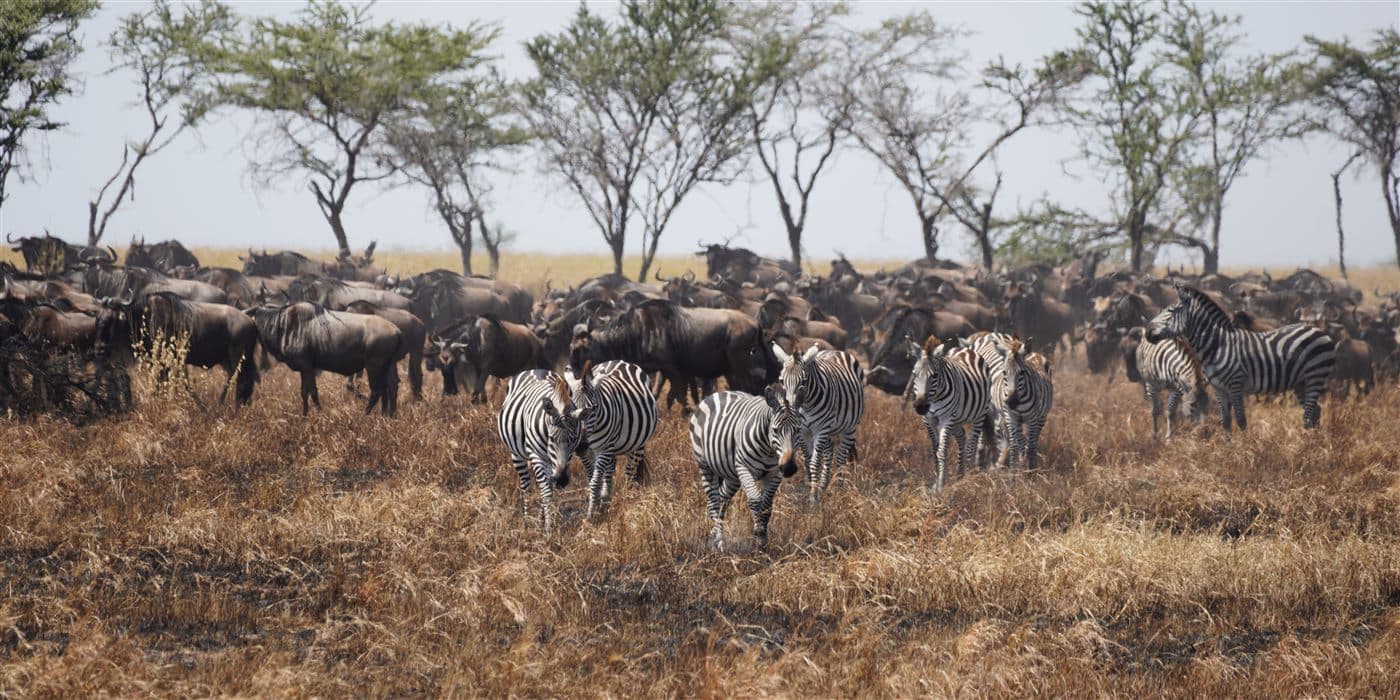
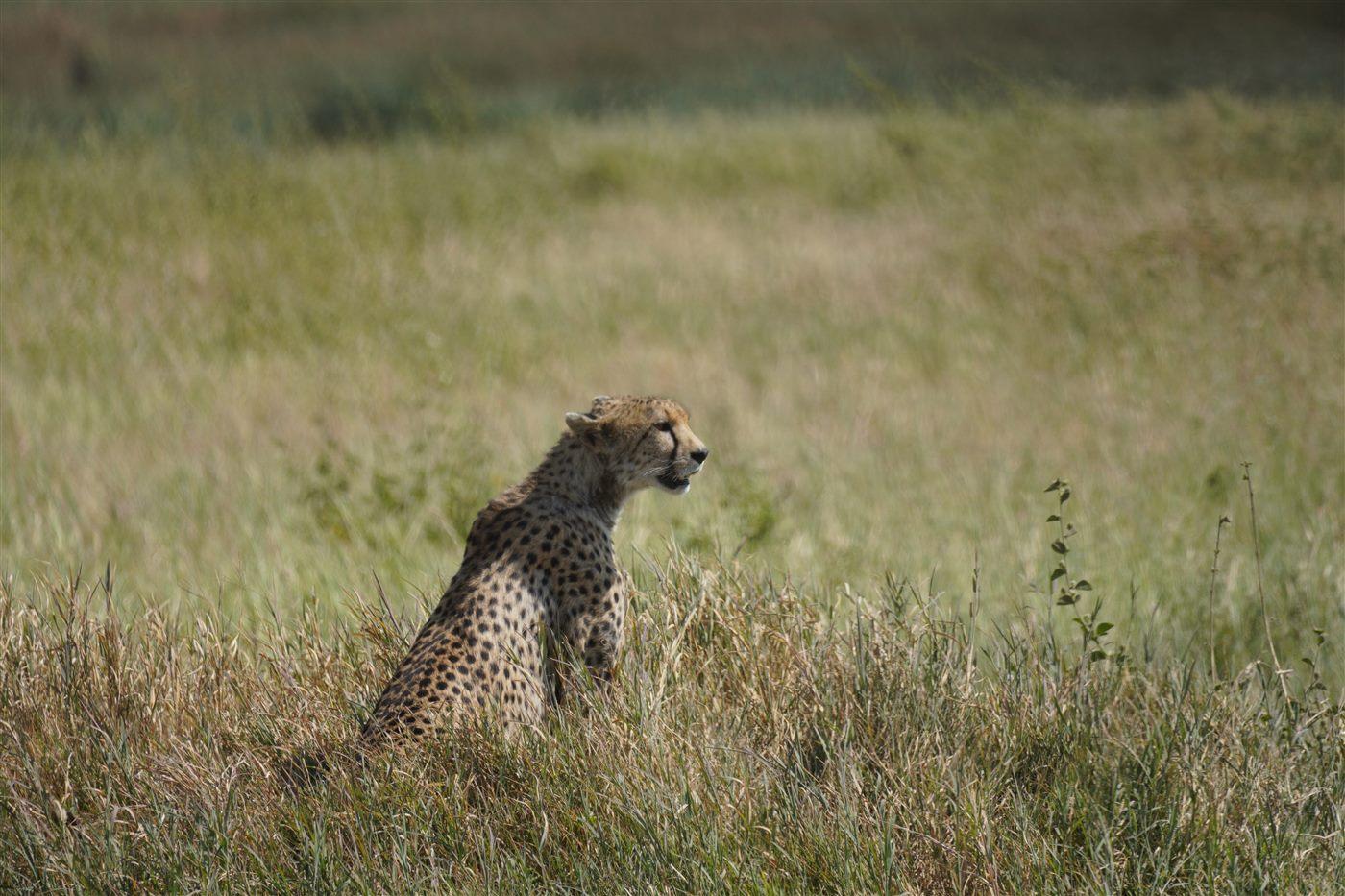
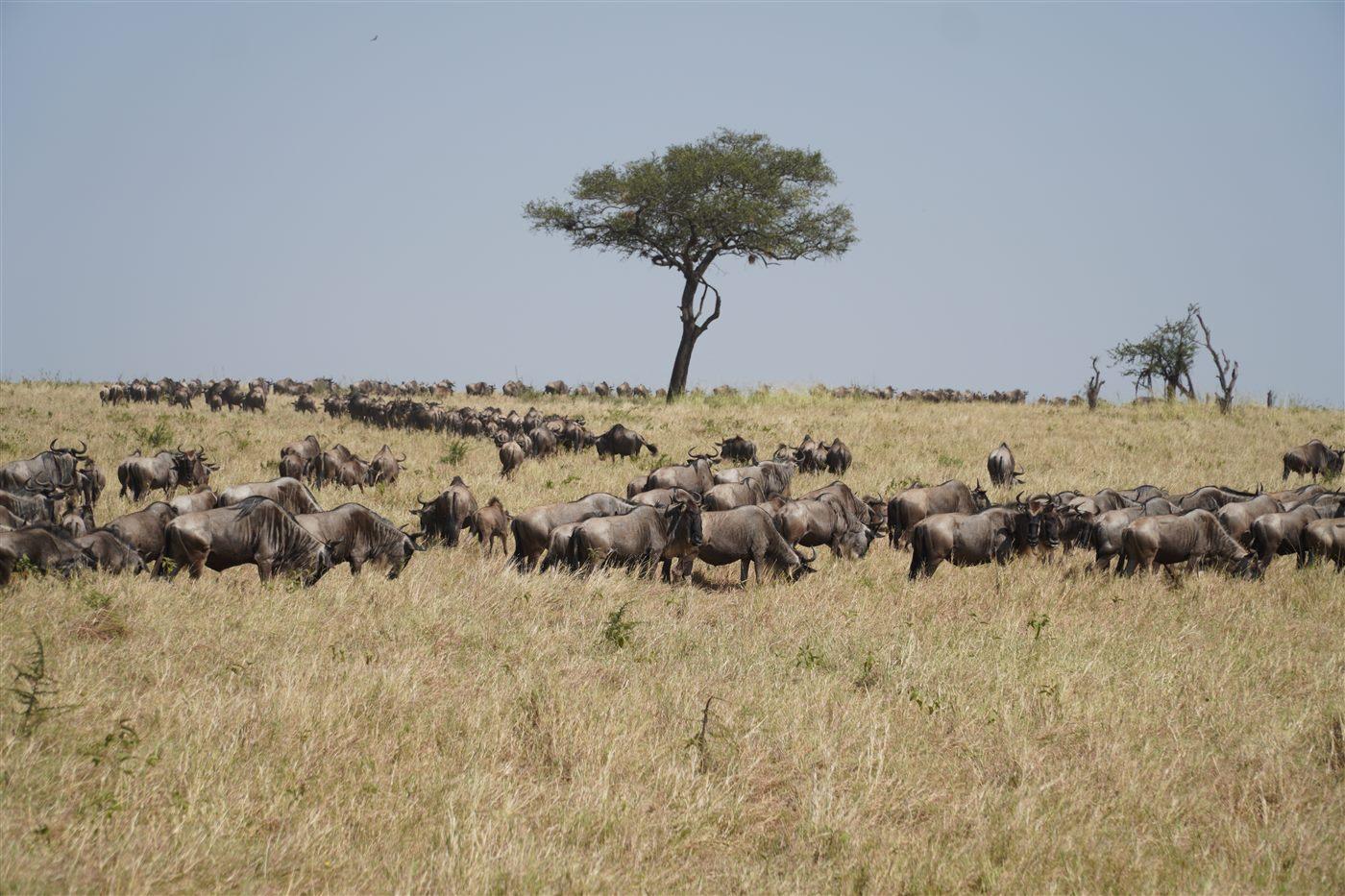
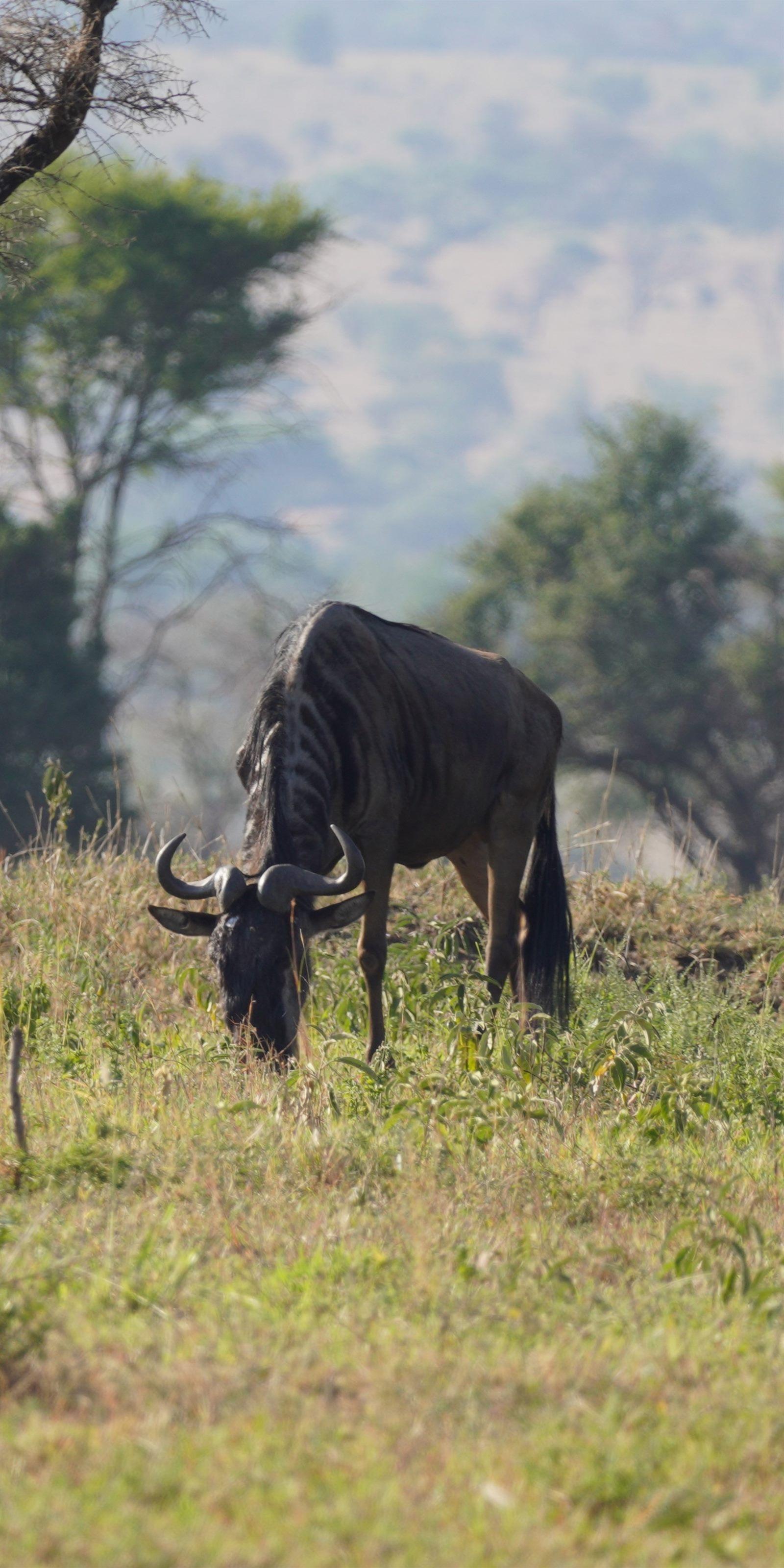
Each year huge herds of wildebeest, zebra and gazelle follow the rains across the plains, with lion, cheetah, leopard and hyena never far behind. The Seronera Valley, fed by a river that runs all year, is a reliable place to find predators.
Key facts
- Area:
- 14,763 km²
- Location:
- Mara & Simiyu regions, northern Tanzania
- Established:
- 1940
- UNESCO:
- World Heritage Site
- Ecosystem:
- Serengeti–Mara
- Famous for:
- Great Migration & big cats
Best time to visit
- Best Time
- January–February and June–October — the best areas shift through the year
- High Season
- July to March — Seronera is the busiest area
- Best Weather
- June to October — dry with little rain
You can see wildlife in the Serengeti all year, but where to go changes. The southern plains around Ndutu are best in January and February for calving; the Western Corridor is the place to be in June and July; and the far north is where the herds cross the Mara River in August and September.
Best time by month
Higher % = better viewing
Climate
The Serengeti has two rainy seasons: the long rains from March to May, and the short rains in November and December. The dry season, which is best for wildlife viewing, runs from June to October.
Units: mm
Units: °C
Climate data represents 30-year historical averages for the Serengeti region (Seronera station). Actual weather may vary. Data sourced from public meteorological records.
Wildlife
- 90%
 Buffalo
 Wildebeest
 Zebra
- 65%
 Cheetah
 Elephant
 Giraffe
 Hippo
 Hyena
 Lion
- 15%
 Leopard
- 2%
 Black Rhino
 Wild Dog
- 0%White Rhino
Highlights
- ✓Great Migration river crossings in the north (August–September)
- ✓Wildebeest calving on the southern plains (January–February)
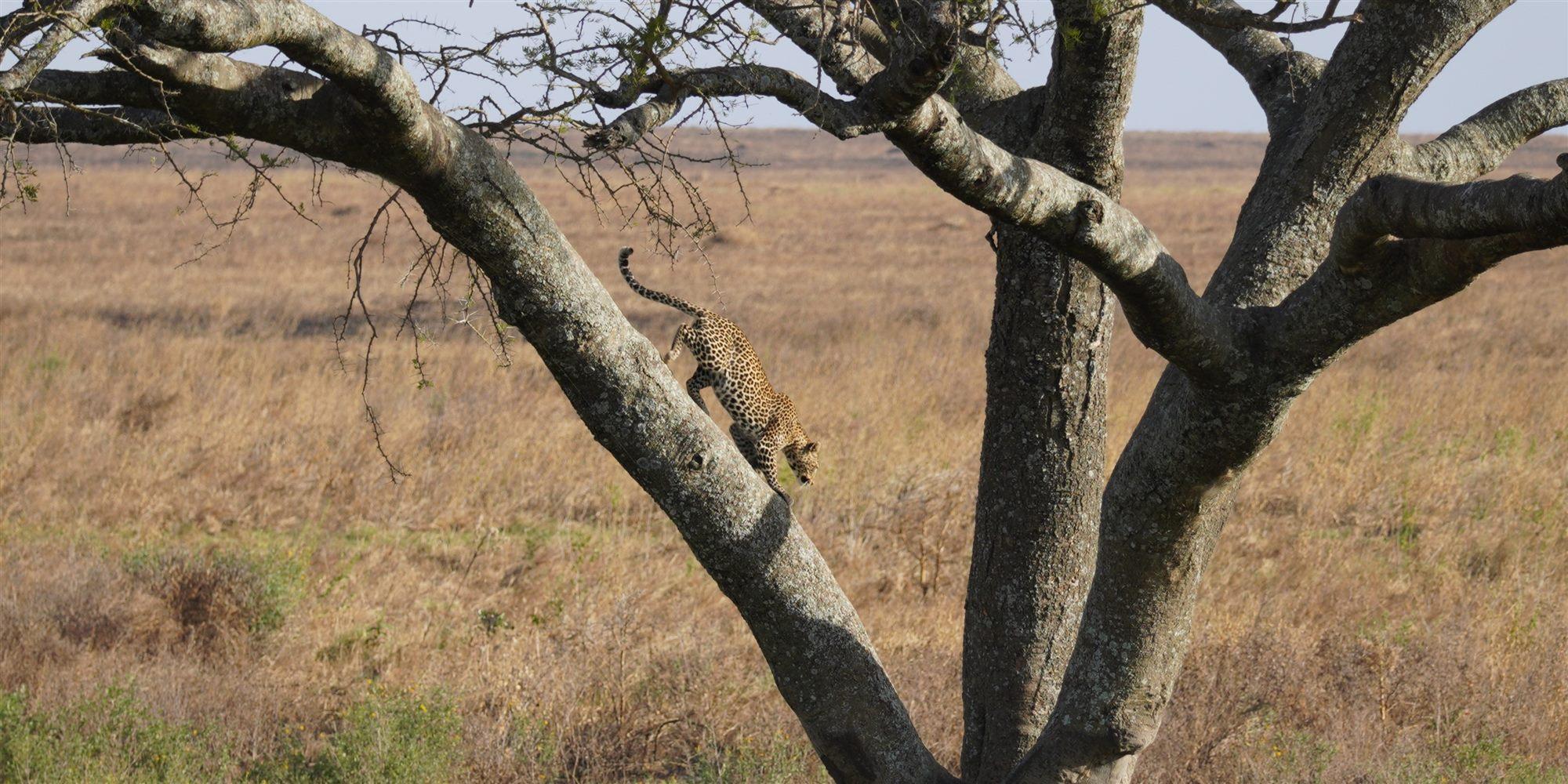
- ✓Seronera Valley for lion, leopard and cheetah
- ✓Hot-air balloon safaris at sunrise
- ✓Western Corridor migration routes in June–July
Photos
Tours visiting Serengeti
 4 daysMax 6Join-in group
4 Days Serengeti, Ngorongoro, Tarangire
The classic northern circuit — Serengeti plains, Ngorongoro Crater and Tarangire.
€998
per adult · incl. taxes & national park fees
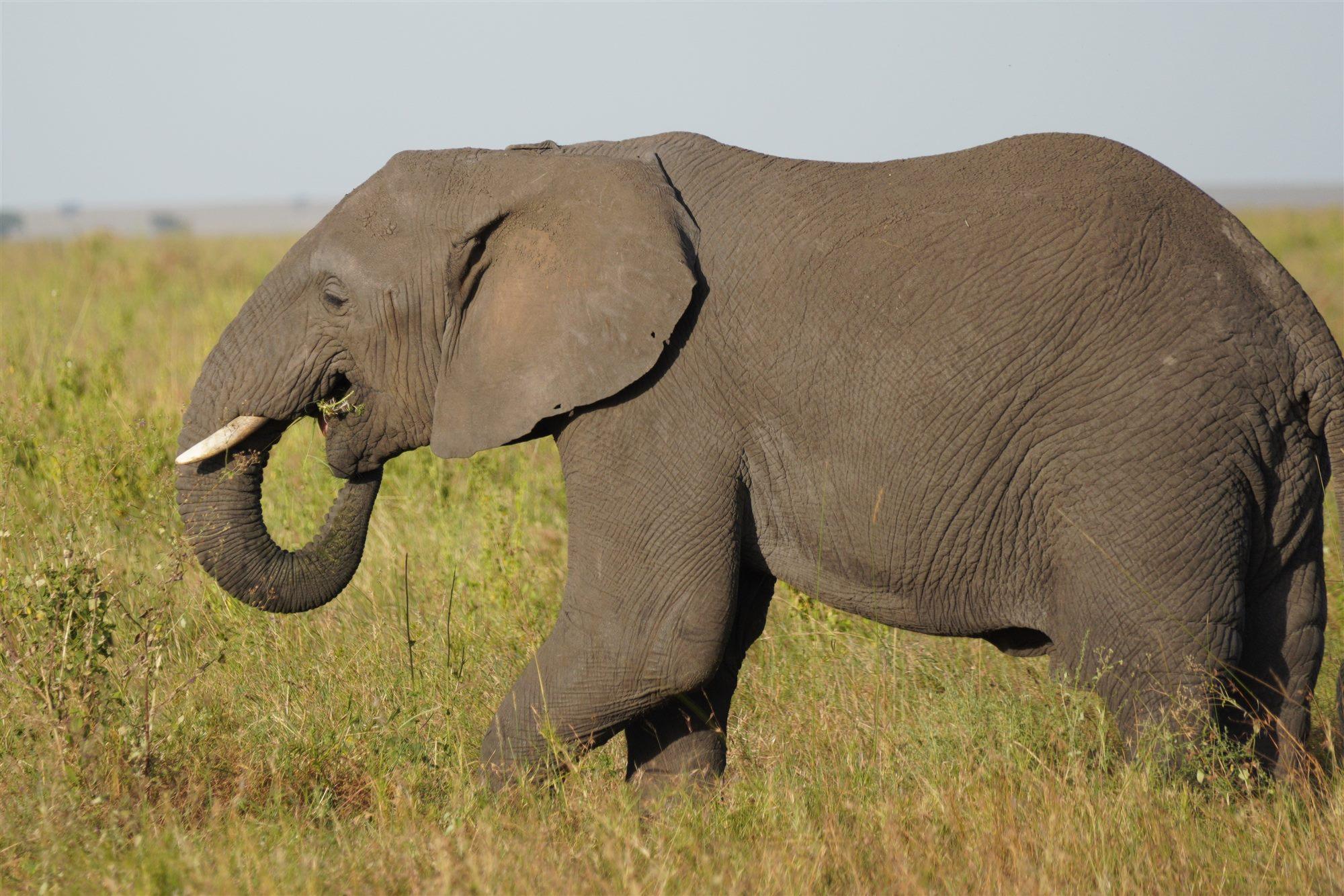 5 daysMax 6Join-in group
5 Days Serengeti, Ngorongoro, Tarangire, Manyara
Four iconic parks in five well-paced days, with plenty of time on the plains.
€1,215
per adult · incl. taxes & national park fees
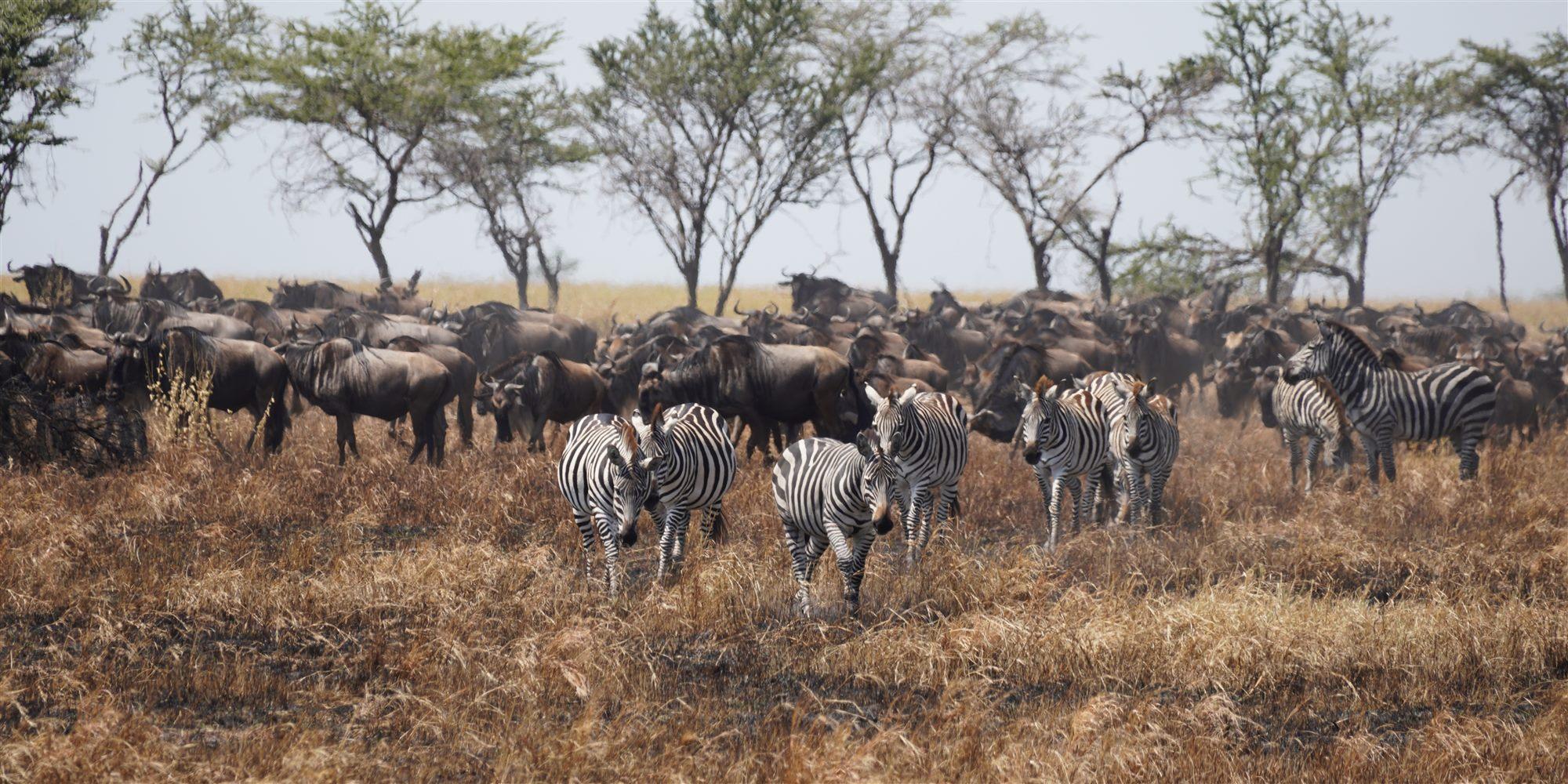 6 daysMax 6Join-in group
6 Days Serengeti, Ngorongoro, Tarangire, Manyara
The full northern circuit with two full days in the Serengeti.
€1,475
per adult · incl. taxes & national park fees
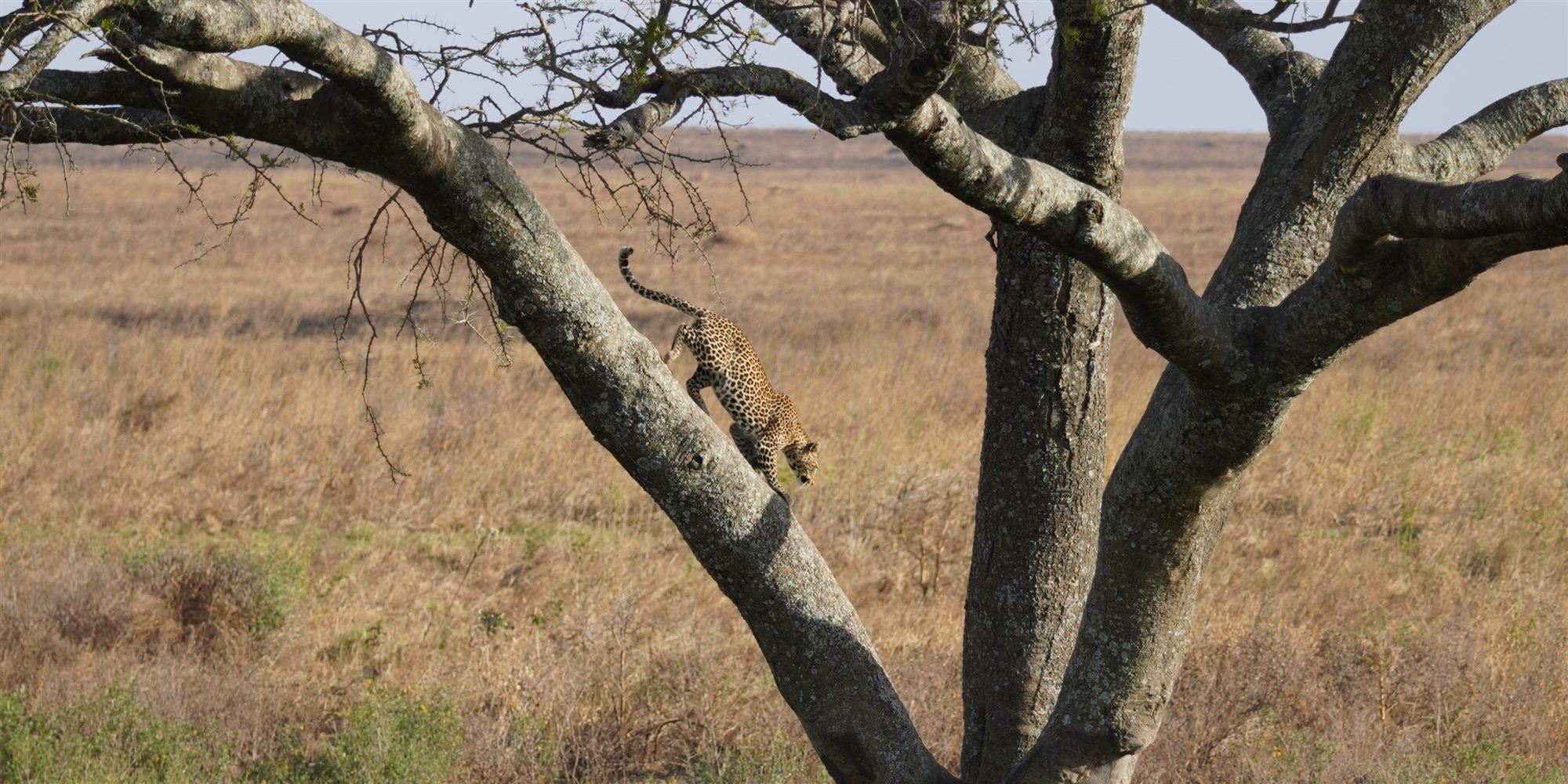 7 daysMax 6Join-in group
7 Days Serengeti, Ngorongoro, Kilimanjaro Tribes
Safari plus cultural immersion — wildlife, the crater and Kilimanjaro's tribal communities.
€1,680
per adult · incl. taxes & national park fees
4 daysMax 6Private tour4 Days Serengeti, Ngorongoro, Tarangire — Private Lodge
Private departure with lodge accommodation — The classic northern circuit — Serengeti plains, Ngorongoro Crater and Tarangire.
€1,562
per adult · incl. taxes & national park fees
5 daysMax 6Private tour5 Days Serengeti, Ngorongoro, Tarangire, Manyara — Private Lodge
Private departure with lodge accommodation — Four iconic parks in five well-paced days, with plenty of time on the plains.
€1,956
per adult · incl. taxes & national park fees
6 daysMax 6Private tour6 Days Serengeti, Ngorongoro, Tarangire, Manyara — Private Lodge
Private departure with lodge accommodation — The full northern circuit with two full days in the Serengeti.
€2,342
per adult · incl. taxes & national park fees
7 daysMax 6Private tour7 Days Serengeti, Ngorongoro, Kilimanjaro Tribes — Private Lodge
Private departure with lodge accommodation — Safari plus cultural immersion — wildlife, the crater and Kilimanjaro's tribal communities.
€2,618
per adult · incl. taxes & national park fees
Frequently asked questions
What is the size of Serengeti National Park?+
The park covers about 14,763 km² of northern Tanzania, with savanna extending well beyond its borders into the wider Serengeti–Mara ecosystem.
When was Serengeti National Park established?+
It was gazetted as a national park in 1940, after earlier protection as a game reserve. It later became a UNESCO World Heritage Site.
Why was Serengeti National Park created?+
The park was set up to protect the plains, their wildlife and the annual migration from hunting and uncontrolled development. Conservation of the wider ecosystem remains its purpose today.
What is Serengeti National Park famous for?+
It is best known for the Great Migration of wildebeest and zebra, its open savanna, and one of Africa's strongest populations of lion, leopard and cheetah.
What does Serengeti mean in English?+
The name comes from the Maasai phrase 'siringet', usually translated as 'endless plains' or 'the place where the land runs on forever'.
What is the best time to visit Serengeti National Park?+
June to October is the classic dry-season window for general game viewing. January and February are best for calving on the southern plains, while August and September are when the herds reach the north for the Mara River crossings.
What is the weather in Serengeti like?+
Days are usually warm and nights can be cool. Daytime highs often sit in the mid-to-high twenties Celsius, with lows in the low teens. The two rainy seasons bring most of the annual rainfall.
Does it often rain in the Serengeti?+
Rain is concentrated in two seasons: short rains around November and December, and long rains from March into May. The months from June to October are usually dry.
Which animals will I see in Serengeti National Park?+
Common sightings include wildebeest, zebra, gazelle, lion, elephant, buffalo, giraffe, hippo and hyena. Leopard and cheetah are regularly seen, while black rhino are rare and harder to find.
Do I need binoculars for a Serengeti safari?+
Binoculars make a big difference, especially for cats resting in grass or birds in the woodland. An 8x42 or 10x42 pair is a practical choice; a camera with a long lens is useful but not a substitute.
Do leopards live in the Serengeti?+
Yes. Leopards are resident throughout the park and are often found along the Seronera River and in riverine woodland, usually alone and well camouflaged.
How many species of animals are in the Serengeti?+
Around 70 species of larger mammals are recorded, along with a much larger number of smaller mammals, reptiles and insects.
How many species of birds are in the Serengeti?+
More than 500 bird species have been recorded, including residents, migrants and raptors.
Are there tigers in the Serengeti?+
No. Tigers live in Asia. The Serengeti's large cats are lion, leopard and cheetah.