
Birdwatching & Flamingos at Lake Manyara
Forest, floodplain and soda lake sit within a few kilometres of each other here, which is why Lake Manyara can deliver an unusually varied bird list in a single morning. More than 400 species have been recorded. The best dates depend on whether you are chasing migrants, breeding plumage or a wall of pink flamingos.
The short answer
Birds overall
November to April
Migrants from Europe and from elsewhere in Africa join the resident birds, and many species are in breeding plumage. January to March is usually the richest stretch; March and April are wettest underfoot.
Flamingos
May to July · November to February
Early dry season brings post-breeding birds south from Lake Natron, and the green months can also fill the shallows. Numbers follow water and algae, so a huge flock is never promised.
Birds: why the green season leads
The park's birdlife changes with the water. When the rains arrive, the floodplain fills, insects multiply and food becomes easy to find. That pulse pulls in species that spend part of the year outside Tanzania, and it also pushes resident birds into nesting and displaying.
From November and December the first arrivals trickle in. By January the migrants are settled and the residents are in full voice, which makes this the most rewarding period for a long day list. March and April are the wettest months: the diversity can be excellent, but tracks turn muddy, so build in flexibility.
The dry months from June to October are quieter on migrants but easier on logistics. Roads are firmer, the light is clear and the thinner vegetation helps once a bird is located. It is a good compromise if you want birding alongside general game viewing.
Flamingos: water, algae and a little luck
Lake Manyara is shallow and alkaline, and it has no outlet. As water evaporates, salts concentrate and the algae that lesser flamingos filter from the water can bloom. That is the condition the birds are looking for — which is why flamingo numbers rise and fall with the lake rather than with a fixed calendar date.
The most discussed window is May to July. After breeding at Lake Natron, flamingos spread across the Rift Valley, and Manyara is one of the lakes they use. The green season from November to February can also bring large gatherings, while June to October often concentrates birds into the shrinking shallows.
The risk comes late in a dry year. If the lake retreats too far, birds may sit well out on the mud or move elsewhere. Plan for the possibility of flamingos rather than the certainty, and ask a guide who has been on the water recently.
Lesser and greater flamingos
Lesser flamingo
Smaller, more numerous and usually deeper pink. They feed mainly on algae and form the enormous pink flocks that Manyara is known for.
Greater flamingo
Taller and paler, with a pink-and-black bill. They feed on small invertebrates in the mud and are usually present in smaller, steadier numbers.
Where to look
Groundwater forest: the shaded forest near the northern gate holds silvery-cheeked and crowned hornbills, Narina trogon, Schalow's turaco, African emerald cuckoo, crested guineafowl and crowned eagle. Early morning is best for calls and light.
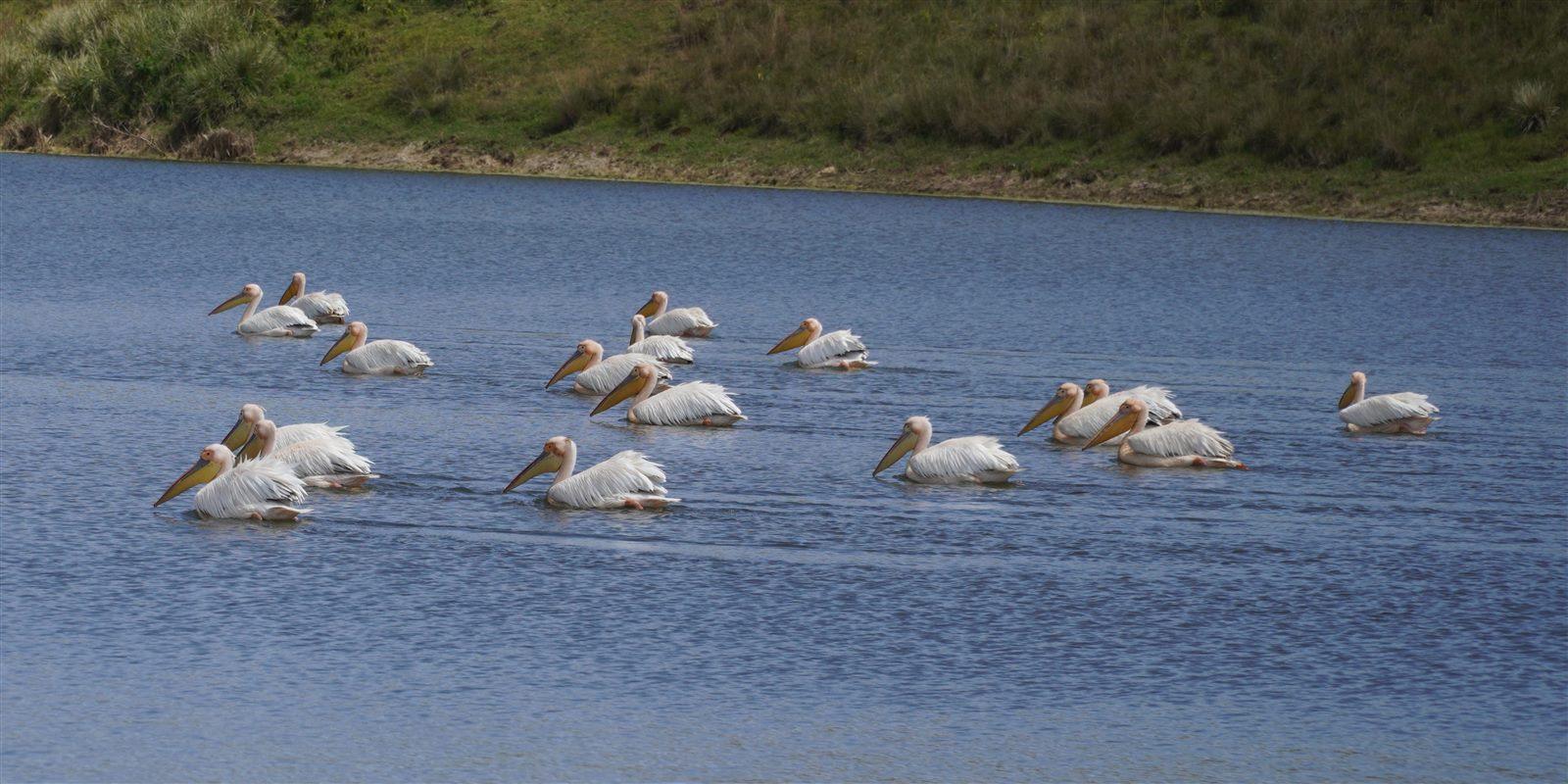
Floodplain and shoreline: pink-backed pelicans, yellow-billed storks, herons, egrets, spoonbills and migrant waders use the shallows. Kingfishers work the streams, while fish eagles and buzzards hunt overhead.
Viewpoints: the southern and western shallows usually hold the densest flamingo flocks, but the exact position shifts with the water. The hippo pool and lakeshore viewpoints in the north give elevated, safe views.
Practical tips
- ✓Start at opening time: the first two to three hours are the most active and the light is best.
- ✓Allow a full day, or two, to work the forest, floodplain and shoreline properly.
- ✓Bring binoculars, a long lens if you photograph, and a rain cover in the wet months.
- ✓Pack layers: the forest is cool and damp, while the open flats heat up by midday.
- ✓Ask your guide to check current water levels and flamingo movements before you commit the day.
Frequently asked questions
What is the best time for birdwatching at Lake Manyara?+
November to April is the strongest all-round window. Migratory birds from Europe and elsewhere in Africa join the resident species, and many birds are in breeding plumage. January to March usually gives the richest variety, while March and April are the wettest and can make tracks muddy.
When are flamingos most likely at Lake Manyara?+
Two periods stand out: May to July, when birds disperse from breeding grounds at Lake Natron, and the green months from November to February. The dry season can also concentrate flocks as the lake shrinks, but flamingo numbers are never guaranteed because they follow water and algae.
How many bird species does Lake Manyara have?+
More than 400 species have been recorded. A full day with an early start and a guide who knows the calls can produce a long list across the groundwater forest, floodplain and lakeshore.
Where should I look for forest birds?+
The groundwater forest near the northern gate is the place for species that rarely appear on the open flats, including silvery-cheeked hornbill, crowned hornbill, Narina trogon, Schalow's turaco, African emerald cuckoo, crested guineafowl and crowned eagle. Early morning is the most vocal time.
Are flamingos guaranteed on a Lake Manyara safari?+
No. Flamingo movements depend on water levels, algae and breeding success elsewhere. Some visits produce dense pink flocks; others show only scattered birds far out on the lake. Treat a large gathering as a bonus and ask your guide about current conditions.
Tours visiting Lake Manyara
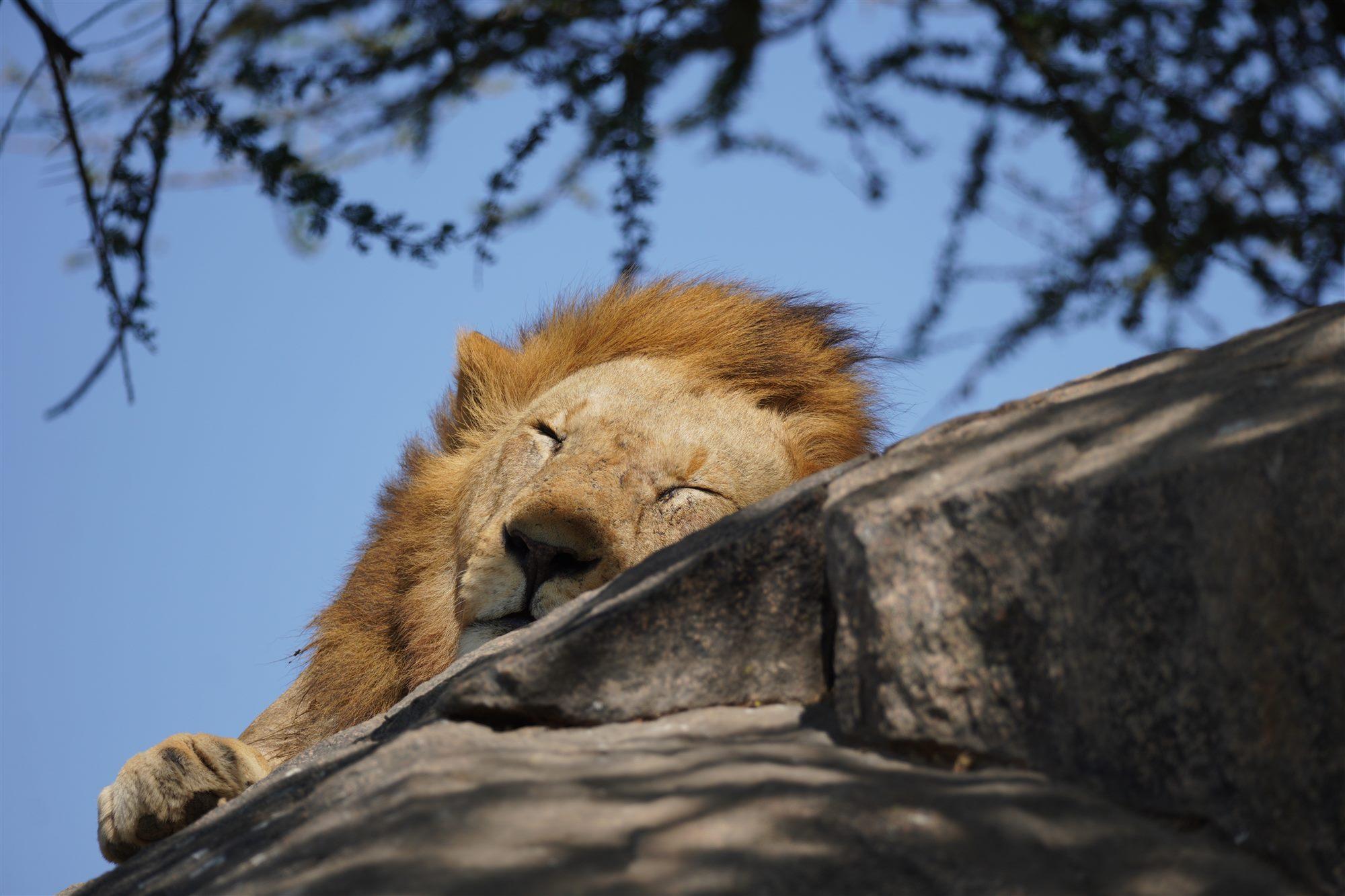 3 daysMax 6Join-in group
3 Days Ngorongoro, Manyara, Tarangire
Three iconic parks in three days — UNESCO Ngorongoro, Lake Manyara and Tarangire.
€767
per adult · incl. taxes & national park fees
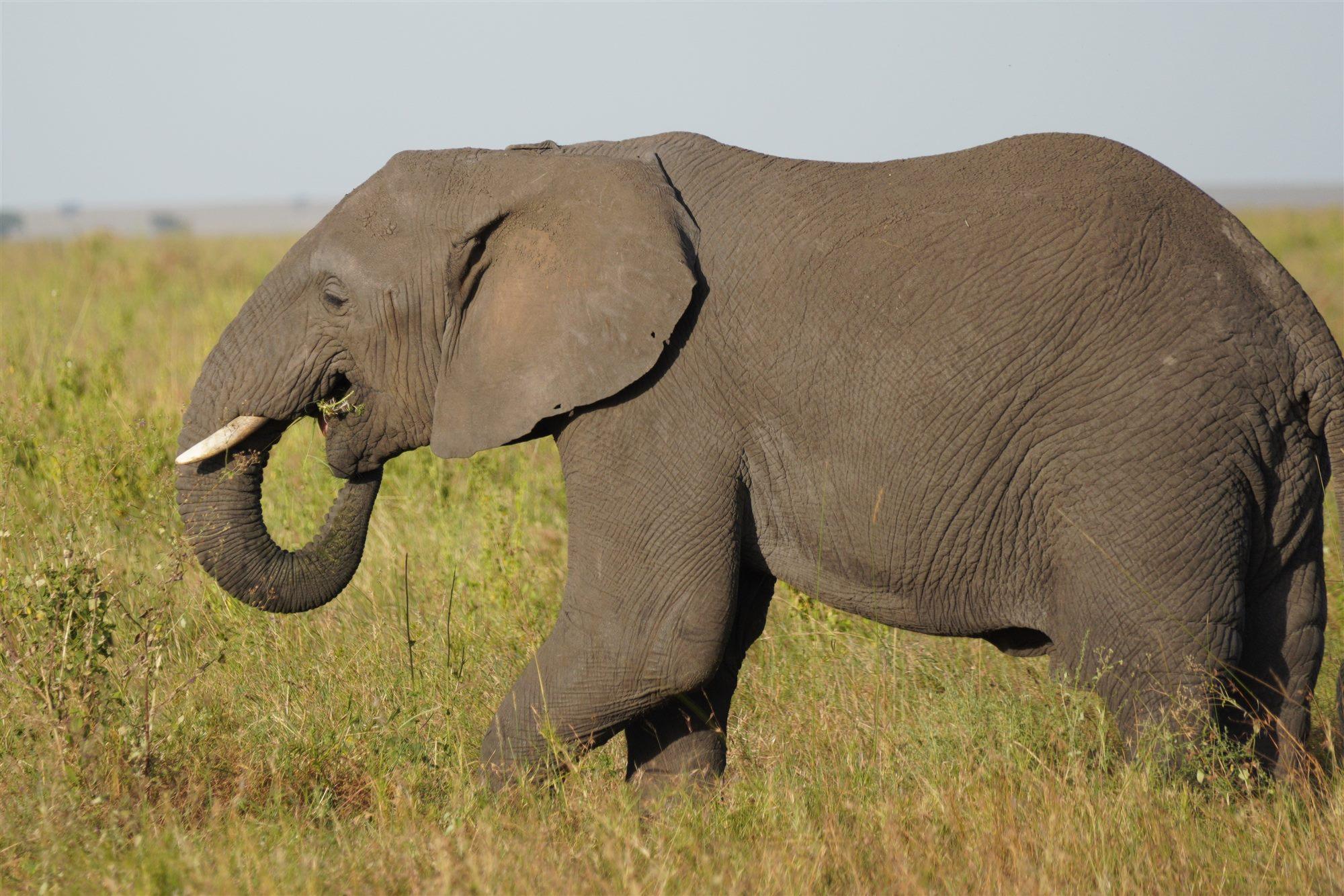 5 daysMax 6Join-in group
5 Days Serengeti, Ngorongoro, Tarangire, Manyara
Four iconic parks in five well-paced days, with plenty of time on the plains.
€1,215
per adult · incl. taxes & national park fees
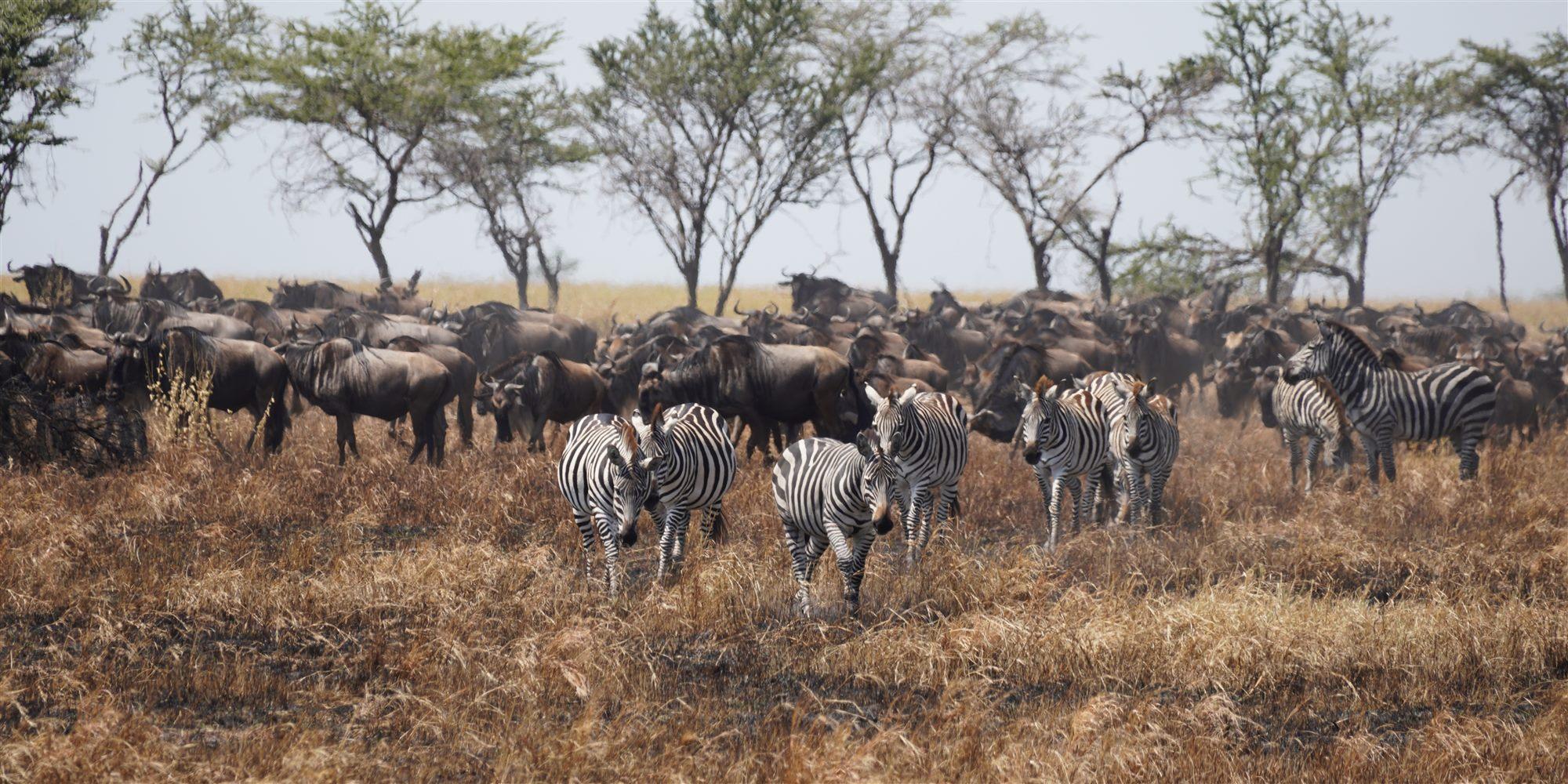 6 daysMax 6Join-in group
6 Days Serengeti, Ngorongoro, Tarangire, Manyara
The full northern circuit with two full days in the Serengeti.
€1,475
per adult · incl. taxes & national park fees
 7 daysMax 6Join-in group
7 Days Serengeti, Ngorongoro, Kilimanjaro Tribes
Safari plus cultural immersion — wildlife, the crater and Kilimanjaro's tribal communities.
€1,680
per adult · incl. taxes & national park fees
5 daysMax 6Private tour5 Days Serengeti, Ngorongoro, Tarangire, Manyara — Private Lodge
Private departure with lodge accommodation — Four iconic parks in five well-paced days, with plenty of time on the plains.
€1,956
per adult · incl. taxes & national park fees
6 daysMax 6Private tour6 Days Serengeti, Ngorongoro, Tarangire, Manyara — Private Lodge
Private departure with lodge accommodation — The full northern circuit with two full days in the Serengeti.
€2,342
per adult · incl. taxes & national park fees
7 daysMax 6Private tour7 Days Serengeti, Ngorongoro, Kilimanjaro Tribes — Private Lodge
Private departure with lodge accommodation — Safari plus cultural immersion — wildlife, the crater and Kilimanjaro's tribal communities.
€2,618
per adult · incl. taxes & national park fees